Our guides' personally-tested gear recommendations — everything you need for a Tanzania safari, Kilimanjaro climb, and Zanzibar beach holiday. Expert-curated, honest reviews.
Gear Rental Available in Arusha: You don't need to buy everything. We offer quality rental gear for Kilimanjaro clients — sleeping bags, down jackets, gaiters, and trekking poles. Contact us for the full rental list and pricing.
Gear our guides consider non-negotiable for a safe, successful Kilimanjaro summit. Don't cut corners on these items.
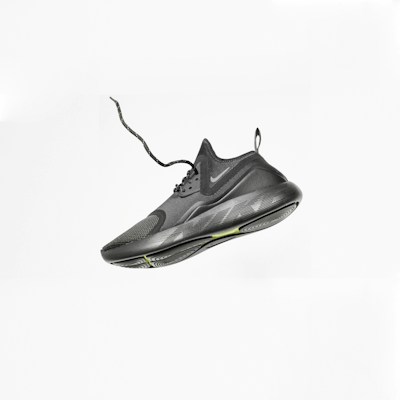
The single most important piece of gear. Must be fully waterproof, ankle-supporting, and broken-in for 3+ months before your climb. Gore-Tex lining is strongly recommended.
Your summit night will be -10 to -20°C. A quality down jacket rated to -15°C is critical. Look for at least 700-fill power down. Available for rent in Arusha.
Reduce knee strain by 25% on descents. Essential for summit night balance and rhythm. Cork handles are more comfortable in cold than rubber. Anti-shock feature is worth the extra cost.
Nights at Kilimanjaro's upper camps are brutally cold. A sleeping bag rated to –10°C minimum is required. Down is warmer for weight; synthetic is better if yours might get wet.
Summit night starts in total darkness. A headlamp of 200+ lumens with a red-light mode is essential. Carry 2 sets of spare batteries — cold drains batteries rapidly. Lithium batteries last longer in cold.
Water freezes above 4,800m at summit temperatures. Insulated bottles keep water liquid overnight. Keep them inside your sleeping bag at night and inside your jacket on summit day.
What our guides recommend for the best game viewing experience. Quality optics make a dramatic difference to safari enjoyment.
The single biggest upgrade to your safari experience. 8x42 is ideal for hand-held stability with good field of view. 10x42 gives more magnification. Minimum spend: $150. Quality glass at $300–500 transforms wildlife viewing.
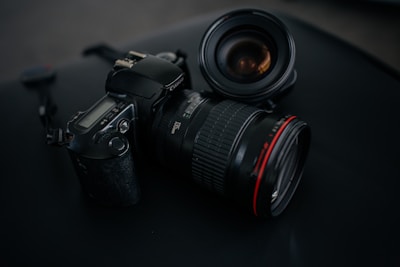
Wildlife is often 50–200m away. A telephoto lens is essential for meaningful photographs. Sony, Canon and Nikon all make excellent wildlife options. Even a budget 100-400mm zoom will transform your photography.
Serengeti game drives produce extraordinary dust. A Buff neck gaiter protects your face. Dry bags or ziplock bags protect electronics. Lens cloths are essential. Dust gets into everything — prepare for it.
Neutral earth tones (khaki, olive, tan) blend with the bush. Avoid bright colours, white (shows dust), and black/blue (attracts tsetse flies). Long sleeves for sun protection. Lightweight wicking fabrics are best.
Safari camps often have limited charging. A 20,000mAh power bank charges your phone 6–8 times. Essential for multi-day fly camping safaris. Keep warm on Kilimanjaro — cold halves battery capacity.
Tanzania is near the equator — UV is intense year-round. UV increases 4% per 300m of altitude on Kilimanjaro. Apply sunscreen every 2 hours. Bring more than you think you need — at least 4 bottles for 2 weeks.
What to pack for your Indian Ocean beach holiday and water activities.
Rental gear is available at all beaches but personal equipment fits better and is more comfortable. Full-face masks are not recommended for snorkelling — a traditional mask and snorkel is safer and better visibility.
Many Zanzibar beaches have coral and sea urchins at low tide. Reef shoes protect your feet during wading to snorkel sites. Lightweight neoprene options are perfect and pack small.
Essential for boat trips, dhow excursions, and beach days. Keeps your phone, camera, passport, cash, and clothing completely dry. A 20L bag is the most versatile size for travel.
When you book with us, we send a detailed personalised gear list specific to your itinerary, season, and accommodation style. No guessing — exactly what you need, nothing you don't.
Book & Get My Gear List